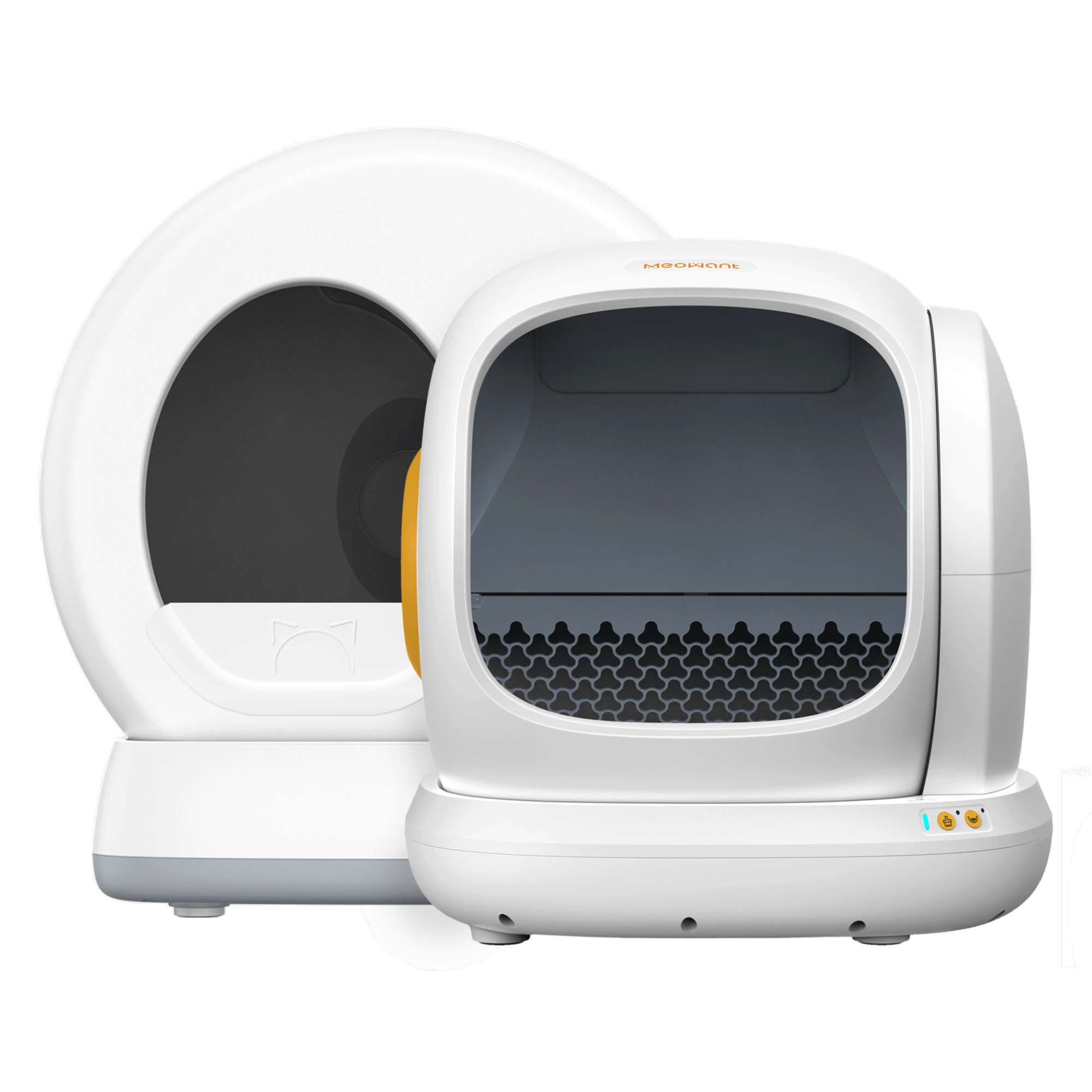
A decade ago, an automated litter box was a novelty item found in gadget blogs. Today it sits alongside robot vacuums and smart thermostats as a normal part of a well-run pet household, and the reasons are not simply technological. Urban apartments have shrunk, schedules have stretched, and the expectations people bring to pet care have shifted from simple ownership to careful management. The self cleaning litter box arrived at the intersection of those trends: a device that reduces a chore, supports hygiene, and fits into a home where space and time are both tight. This article looks at the forces driving that adoption, the design ideas that made it practical, and the maintenance culture that keeps it dependable, with an eye toward where the category is heading next.
The Pressures Making Automation Mainstream
Three pressures explain most of the shift. The first is time: households with two working adults and a commute have little slack in the evening, and scooping is exactly the kind of task that gets postponed. The second is space: smaller homes compress the distance between the litter box and living areas, so odor containment becomes a design requirement rather than a preference. The third is information. Owners now compare sensors, cycle times, and waste capacity the way they once compared vacuums, which rewards products that solve real problems rather than novelty features.
The result is a category that has moved from early adopters to ordinary households. The self cleaning litter box is no longer a gift for the gadget lover; it is a routine purchase in the same decision tree as a good cat tree or a quality carrier. That normalization is itself a sign of maturity, because products used by ordinary people have to be reliable rather than merely clever.
Design Ideas That Made It Practical
The technical progress is less about robotics and more about restraint. Weight and infrared sensing keep the mechanism still while a cat is present, which removed the earliest and most serious objection. Sealed waste compartments turned odor control from a filter problem into a containment problem. Modular screens and accessible seals made weekly cleaning a ten-minute task instead of a disassembly project. Each improvement reduced the number of things that could go wrong in daily use.
What Good Design Looks Like in Practice
A well-designed unit is quiet, stable, and boring. Quiet matters because the cycle runs in the same room where people sleep and cats rest. Stable matters because weight sensors are only as accurate as the surface beneath them. Boring matters most of all: the best machine is one you stop noticing, because attention is the scarcest resource in a busy home.
Capacity is where design and household size meet. A single cat in a studio apartment is well served by a compact unit, while a multi-cat home needs a drawer that can hold several days of waste. Getting that match right prevents the most common complaint, which is not failure but inconvenience: a drawer that fills too fast turns a background task back into a chore.
The Maintenance Culture Behind Reliability
Automation did not remove maintenance; it relocated it. Instead of daily scooping, owners now perform weekly cleaning and careful litter selection. Fine, fast-clumping litter keeps the mechanism free, and filling to the marked line keeps cycles smooth. These habits are not burdens, but they are non-negotiable, and the category has responded by designing for them rather than around them.

Where the Category Is Heading
The next phase is likely to emphasize integration and diagnostics rather than new motions. App-based notifications that tell you the drawer is full or a cycle was missed are becoming common, and they shift the owner’s role from operator to supervisor. Health monitoring is a more interesting direction: because the unit already detects visits and weights, it can surface changes in frequency or duration that owners would otherwise miss. Treated as an early warning signal rather than a diagnosis, that data could add genuine value to routine care.
Brands such as Meowant reflect this direction by building automated boxes around everyday reliability, quiet operation, and accessible maintenance rather than feature stacking. The pattern across the market is consistent: products that respect the owner’s time and the cat’s comfort are the ones that become standard, while products that chase novelty fade. That is why the category’s growth looks less like a trend and more like a correction toward how pet care actually works in modern homes.
What Still Needs Improvement
No category is finished, and automation has clear room to grow. Sensor reliability in humid bathrooms remains inconsistent across models. Replacement parts are not always easy to find. And the gap between entry-level and premium units is still large, which leaves some households priced out of the convenience. The manufacturers that close those gaps first will define the next standard, not the ones that add the most features to a spec sheet.
The Shift in How Owners Think About Pet Care
The most durable change is cultural rather than mechanical. A generation of owners has begun to treat the litter box as infrastructure rather than furniture. Instead of a plastic tray tucked into a corner and cleaned when convenient, it is now planned for the way a washing machine is planned for: placed deliberately, maintained on a schedule, and expected to run quietly in the background. That mental shift matters more than any single feature, because infrastructure is judged by reliability, not novelty.
You can see the same logic across pet care. Automatic feeders, water fountains, and activity trackers all follow the principle that routine care should not depend on the owner remembering it every day. The self cleaning litter box fits that pattern better than most products, because the chore it removes is the one owners complain about most consistently in surveys and forums.
The cultural shift also raises the bar for manufacturers. Once owners expect background reliability, a model that jams, smells, or needs constant babysitting is quickly rejected, and word travels fast in pet communities. That pressure explains why the category has converged on a set of conservative design choices, and why brands that respect them, including newer entrants such as Meowant, are the ones that survive the comparison shopping.
Lessons From Other Household Appliances
The path of the self cleaning litter box mirrors what happened to dishwashers and washing machines. Each began as a premium novelty, became reliable enough for ordinary homes, and eventually disappeared into the background of daily life. The pattern is consistent: adoption accelerates when the product stops asking for attention and starts absorbing a chore. The machines that reach that point are rarely the most feature-rich; they are the ones with the fewest daily surprises.
That history is a useful lens for buyers. It suggests paying attention to how a unit behaves on its worst day, not its best. A quiet cycle and a sealed drawer are impressive in a demo, but they matter far more when a cat visits at two in the morning and the household is asleep. The manufacturers who understood that early are the ones whose products became standard.
The New Normal in Pet Care
Self cleaning litter boxes became standard because they answered pressures that are not going away: compressed schedules, smaller living spaces, and higher expectations for hygiene. The technology succeeded by staying conservative, using reliable sensing and sealed containment rather than flashy motion. The habits around it, from litter choice to weekly cleaning, became part of what good ownership looks like in an automated home. For households weighing the upgrade, the category no longer asks whether automation belongs in pet care. It asks which machine fits a particular cat, space, and schedule. Answer that honestly, and the rest follows naturally.