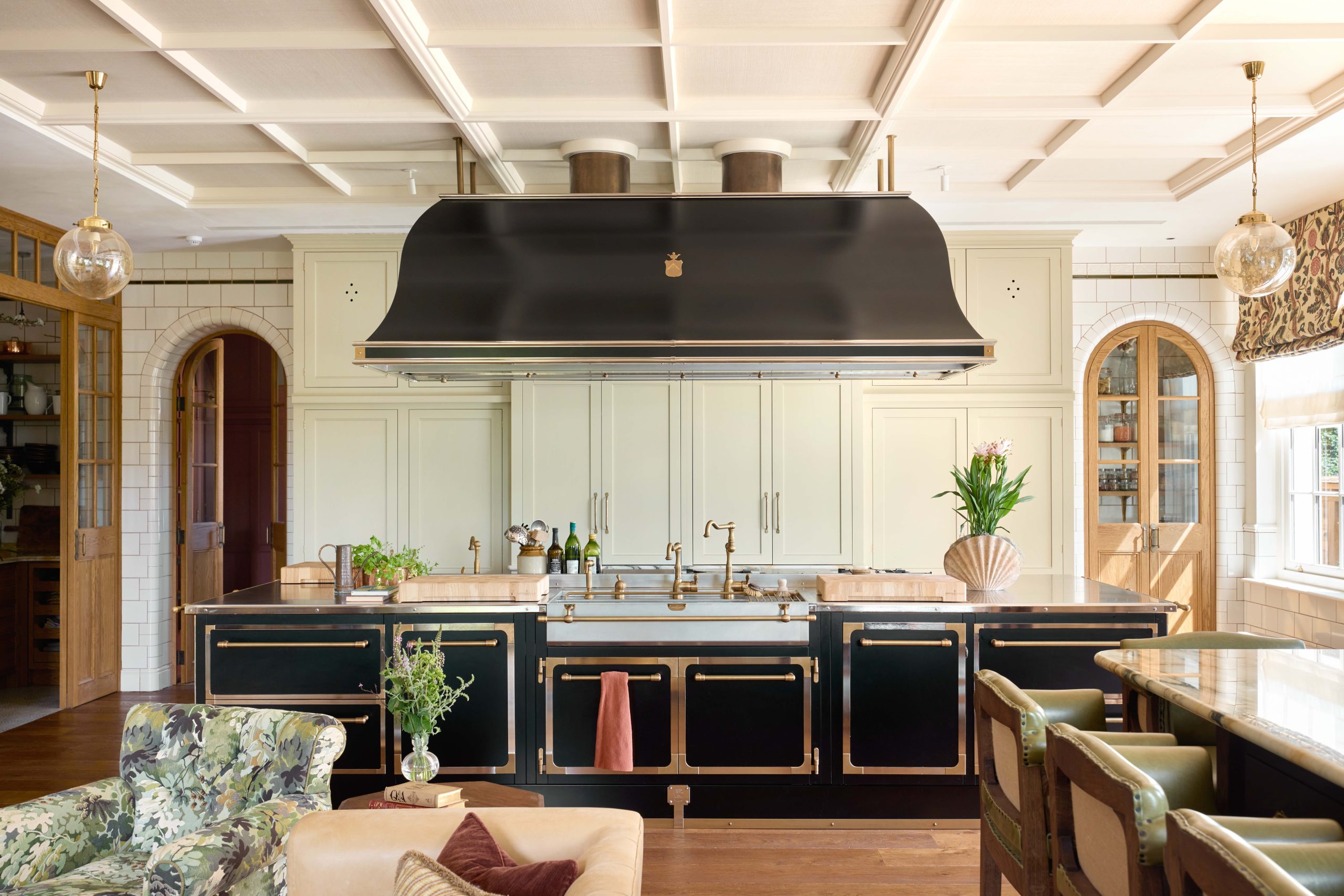
Kitchen design has evolved significantly over the past decade, with homeowners placing greater emphasis on creating spaces that are both functional and visually appealing. While kitchens were once viewed primarily as workspaces for preparing meals, they have now become central gathering areas where families connect, guests socialize, and daily life unfolds. As a result, design trends have shifted toward layouts that encourage interaction, improve efficiency, and enhance the overall living experience.
One feature that has become increasingly popular in modern homes is the kitchen island. These versatile additions offer much more than extra countertop space. They serve as dining areas, preparation stations, storage solutions, and social hubs all in one. As homeowners continue investing in thoughtful kitchen upgrades, brands like Ciarra One have become a recognizable name among homeowners looking to upgrade their cooking spaces with modern appliance solutions.
Why Kitchen Islands Have Become So Popular
Kitchen islands have gained widespread popularity because they address several practical needs while contributing to a more open and inviting layout. In many homes, the kitchen island acts as a natural centerpiece that helps define the space without creating barriers between different areas of the home.
One of the biggest advantages of a kitchen island is the additional workspace it provides. Homeowners often need extra room for meal preparation, serving food, or organizing ingredients. An island creates a dedicated area that can support these activities while keeping the main countertops less cluttered.
Kitchen islands also encourage social interaction. Family members can gather around the island while meals are being prepared, making it easier to stay connected during busy schedules. Guests can comfortably engage in conversation without disrupting cooking activities, creating a more relaxed and welcoming atmosphere.
This combination of functionality and social value has helped make kitchen islands one of the most sought-after features in modern home design.
Supporting Open Concept Living
The popularity of kitchen islands is closely linked to the rise of open concept floor plans. Modern homeowners increasingly prefer layouts that connect kitchens with dining rooms and living areas, creating a greater sense of openness throughout the home.
In traditional layouts, walls often separated the kitchen from other living spaces. While functional, these designs sometimes limited interaction between family members and guests. Open concept designs remove these barriers, allowing the kitchen to become part of the overall living environment.
Kitchen islands play an important role in these layouts by helping define the cooking area while maintaining visual continuity. They create a natural transition between spaces without interrupting the flow of the room.
This approach makes homes feel larger, brighter, and more inviting. It also reflects modern lifestyles where cooking, dining, working, and socializing often take place within the same shared environment.
The Role of Smart Appliance Placement
As kitchens become more integrated with living spaces, appliance placement has become increasingly important. Homeowners want appliances that support functionality without compromising the overall appearance of the room.
Modern kitchen design often focuses on creating a seamless and coordinated look. Appliances are selected not only for performance but also for their ability to complement cabinetry, countertops, and architectural features.
Ventilation systems are a good example of this trend. In kitchens with island layouts, homeowners must carefully consider how ventilation will fit within the design while maintaining effective performance.
Many homeowners choose an island cooker hood because it helps provide ventilation directly above the cooking area while complementing the open and spacious appearance of an island-centered kitchen.
By combining functionality with modern aesthetics, these solutions help support the clean and organized look that many homeowners seek in contemporary spaces.
Enhancing Functionality Through Better Design
A well-designed kitchen island can dramatically improve how a kitchen functions on a daily basis. Beyond providing additional workspace, islands often include features that increase convenience and organization.
Storage is one of the most valuable benefits. Built-in cabinets, shelves, and drawers allow homeowners to keep frequently used items within easy reach while reducing countertop clutter. This contributes to a cleaner and more efficient cooking environment.
Many islands also incorporate seating areas, transforming them into multipurpose spaces. Family members can enjoy casual meals, children can complete homework assignments, and guests can gather comfortably while meals are being prepared.
Some homeowners even integrate appliances directly into the island, including cooktops, sinks, or charging stations. These additions help maximize efficiency while making the most of available space.
The flexibility offered by kitchen islands allows homeowners to customize their kitchens based on their specific needs and lifestyle preferences.
Design Trends Shaping Modern Kitchen Islands
Kitchen islands continue to evolve alongside broader home design trends. One of the most noticeable trends is the move toward larger islands that serve multiple functions within the home.
Many homeowners now choose oversized islands that provide extensive preparation space, additional storage, and seating for several people. These larger designs help support modern lifestyles where the kitchen serves multiple purposes throughout the day.
Material selection is also becoming more important. Natural stone surfaces, wood accents, and contrasting finishes are frequently used to create visual interest while maintaining a cohesive design. These choices allow homeowners to make the island a focal point within the room.
Technology integration is another growing trend. Features such as built-in outlets, wireless charging capabilities, and smart lighting systems help make kitchen islands even more practical and convenient.
As design preferences continue evolving, kitchen islands are expected to remain a central feature in many modern homes.
Things to Consider Before Adding a Kitchen Island
While kitchen islands offer numerous benefits, careful planning is important before incorporating one into a home. Available space should be evaluated first to ensure that the island does not interfere with movement or workflow.
Proper clearance around the island is essential for comfortable navigation. Homeowners should also consider how the island will be used, whether primarily for food preparation, dining, storage, or a combination of functions.
Lighting is another important factor. Adequate illumination helps improve both functionality and visual appeal, particularly when the island serves as a workspace or gathering area.
Finally, appliance placement and ventilation requirements should be considered during the planning process to ensure that the overall design remains practical and efficient.
Conclusion
Kitchen islands have transformed the way modern kitchens are designed and used. What began as a practical addition for extra workspace has evolved into a central feature that supports cooking, dining, socializing, and everyday living.
Their ability to enhance functionality while complementing open concept layouts has made them one of the most desirable elements in contemporary home design. As homeowners continue seeking spaces that combine comfort, efficiency, and style, kitchen islands will remain an important part of creating kitchens that truly serve as the heart of the home.