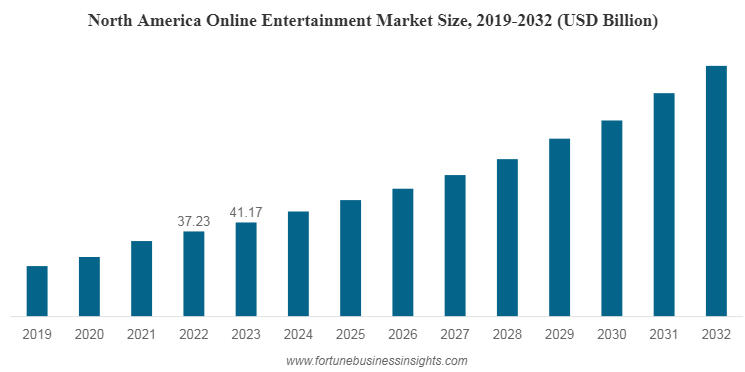
In the past decade the online gaming sector has undergone an unprecedented explosion. Online gaming really took off during the Covid-19 pandemic when during lockdown individuals needed to find alternative ways to entertain themselves and find ways to connect with others virtually. Now post pandemic, online gaming once a niche activity is now one of the most popular forms of online entertainment worldwide.
There are currently over three billion active gamers, a number that is expected to continue its rapid expansion into the next decade. Online gaming is now one of the most popular forms of online entertainment worldwide. Women make up almost fifty percent of gamers and many females spend more time online than their male counterparts.
Convenience of Smartphone-Based Entertainment
The proliferation of low cost smartphones and an internet infrastructure that is faster and more widespread means gamers can enjoy online platforms like Big Boost reaching even the remotest areas of developing countries has opened up gaming to a whole new demographic that are primarily mobile first users who enjoy cloud based gaming which removes the need for hardware and offers instant access to content and gaming.
Mobile technology is revolutionising how individuals interact with digital entertainment. The smartphone has become the new mini computer that fits into one hand and is the dominant device used for personal entertainment. Smartphones now have longer battery life and improved screens which has created a shift from pre programmed passive entertainment to on demand content that users decide exactly what they want to enjoy and how they choose to engage with it at a time that is convenient for them.
Downtime activities have evolved from sitting in front of a static television screen to meaningful digital entertainment experience that can take place in short fragmented sessions throughout the day as time permits where users can access videos, gaming, social media, and the latest news creating a society that is constantly connected regardless of the time of day or their physical location.
Online gaming has quietly emerged as one of the leaders in the digital ecosystem and developers have pushed the limits in gaming design now offering sophisticated high quality mobile gaming experiences with a vast variety of different genres that include competitive strategical adventures and role playing and that in the past could only be enjoyed on consoles. Smartphones have become the most popular device that is used to access online entertainment platforms due to its convenience, portability, longer battery life has removed limitations making all types of entertainment that ranges from short form videos to quick online gaming sessions more easily accessible both at home and when on the go.
How Interactive Features Foster User Engagement
Users no longer want to spend the majority of their entertainment time passively watching static screens. There has been a noticeable shift in how entertainment is consumed and audiences are more likely to engage with experiences that provide instant feedback, feel personalised, and provide the opportunity to actively participate through activities such as live polls, live chats, and other real time interactions on online platforms and digital communities.
In the vast ocean of digital platforms, in order to stand out in an exceptionally competitive market, online entertainment platforms need to continually find new ways to improve the user experience by giving their audiences more ways to interact with content by offering live online gaming that adapts to each users individual needs, tracks their achievements, offers instant feedback and rewards, as well as social features so that audiences can share experiences and ideas, collaborate, and create meaningful connections with others who share the same interest.
Younger generations especially rely on the opinions and feedback from their peers and will more readily engage with platforms that provide live feeds where they can participate in ongoing discussions which create important emotional connections that encourage them to stay engaged for longer periods of time as well and returning regularly to stay up to date with the latest trends and content that is available on the platform of their choice.
The Importance of Secure and Accessible Gaming Experiences
Currently there are over six billion active internet users and most of them have opened online accounts with one or several platforms. Over half of this number are active online gamers who must share sensitive financial and personal details every time they open a user account on a platform. Platforms have massive databases that are continuing to grow and also process millions of online transactions everyday providing the perfect target for wily cybercriminals to attempt to access a wealth of rich online information for nefarious purposes that include identity theft and financial loss.
Online platforms understand that online security is a top priority for their customers and are responsible for creating a delicate balance that provides easily accessible gaming experiences for diverse audiences that adapt to different user needs while at the same time ensuring that online experiences are secure and enjoyable.
Robust security measures such as SSL and TLS encryption, two factor, and multifactor authentication systems, secure payment gateways such as e-wallets, and continual monitoring to detect and resolve any threats such as phishing and malware attacks and to identify unusual user activity ensures that all users can enjoy gaming that is easily accessible and secure.
Future Opportunities in Online Entertainment
Online entertainment has expanded around the globe with unprecedented speed in the past decade. One of the events that was a catalyst was the Covid-19 pandemic where faced with sudden reality of lockdown, individuals turned to digital activities to fight the boredom and stay connected with friends, colleagues, and loved ones.
Post pandemic the thirst for online entertainment is unquenchable and the demands of consumers are also evolving. Online entertainment providers are adapting to these needs and there are some exciting technological breakthroughs that are starting to emerge that will gain more traction going into the future.
AI video is no longer just a theme in sci-fi films, now generative video being used to reduce cost and compress production timelines. Digital avatars and synthetic characters are increasingly being introduced into storylines. Entertainment is no longer just watched, it is interacted with through audience participation and campaigns are being replaced with experiences that are designed using hyperpersonalisation. Short form and vertical content are no longer just promotional material, they have been transformed into legitimate stories with relevant content. In order to attract modern customers, platforms must focus on experiences that are relevant, resonate with diverse audiences, and foster the growth of online digital communities.
Content differentiation will not be centred around tech rather it will be a result of personal tastes, brand clarity, and effective storytelling. Brands and creators who use AI will need to decide the difference between creative innovation and non authentic virtual fluff. The one size fits all storytelling is at an end. Entertainment providers need to shift their focus from building platforms to creating dynamic digital ecosystems.
Entertainment is no longer just consumed, it is now part of a complex ecosystem where audiences and creators collaborate through real time interactions with content changing the outcome of storylines and other live events. It has become hyper personalised, and has transcended into meaningful experiences which has now made passive viewing a memory of yesteryear.