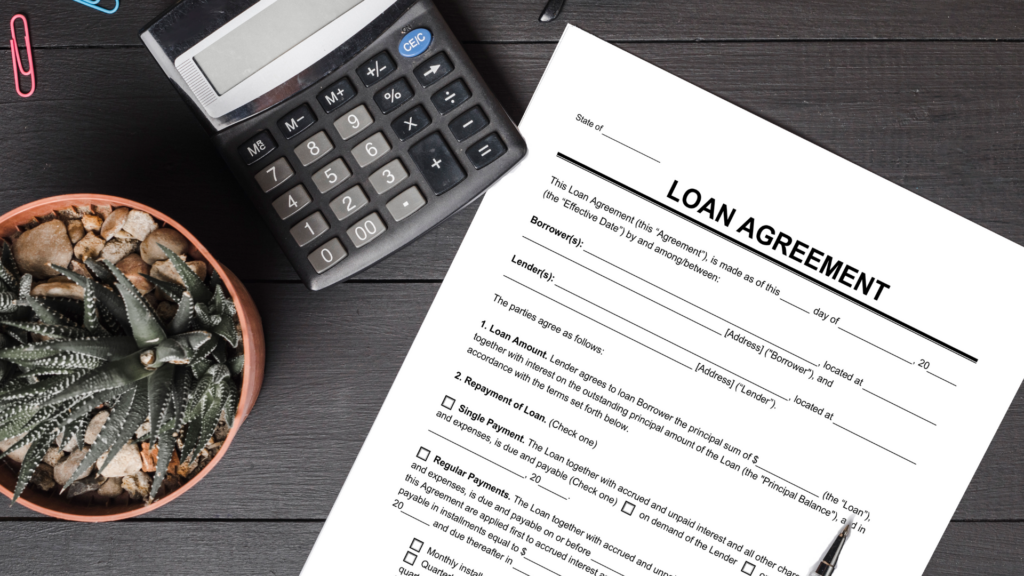
Loan affordability assessments have become a standard part of the borrowing process, and for good reason. Affordability assessments are an essential checkpoint in the current lending environment, where responsible lending practices and consumer protection are more crucial than ever. These evaluations help both lenders and borrowers ensure that a loan won’t create financial harm. When applying for direct lender loans, the affordability assessment is typically more transparent and streamlined, as you’re dealing directly with the company making the lending decision.
Suppose you’re considering applying for a loan; understanding how affordability assessments work can give you an edge. Let’s dive into what these checks involve, why they matter, and how they impact your chances of approval.
What Is A Loan Affordability Assessment?
A loan affordability assessment is a review conducted by a lender to determine whether you can reasonably manage the repayments for the amount you’re borrowing. This check focuses on your current financial status, particularly your income and expenses, rather than just your credit score or previous financial behaviour.
This includes:
- Monthly income (from employment, benefits, pensions, etc.).
- Essential expenses (rent or mortgage, bills, groceries).
- Existing credit obligations (credit cards, other loans).
- Dependents or financial responsibilities.
- Disposable income available after all essential costs.
The purpose is simple: to ensure that the loan you’re taking out fits comfortably within your budget.
Why Affordability Assessments Are Required?
These checks must be performed by UK lenders governed by the Financial Conduct Authority (FCA). But even outside regulation, the practice benefits both sides of the lending process. Many borrowers prefer online payday loans direct lenders because the affordability assessments are conducted quickly and efficiently, making the application process more convenient during financial emergencies.
It lowers the risk of nonpayment and encourages adherence to moral and legal requirements for lenders. For borrowers, it acts as a safeguard against unmanageable debt, ensuring that loans aren’t issued beyond what can realistically be repaid.
How Do Lenders Conduct The Assessment?
The process can vary slightly between lenders, but typically it involves the following steps:
- Collection Of Financial Information: You’ll be asked to provide details such as your income, rent or mortgage costs, and any other regular payments.
- Verification Of Documents: In many cases, you may need to upload payslips, bank statements, or benefits documentation.
- Calculation Of Disposable Income: Lenders determine how much money remains after essentials to ensure you can cover the loan repayment.
- Consideration Of Loan Terms And Interest Rate: Your monthly repayment amount is compared to your disposable income to assess affordability.
Some lenders also use open banking technology—with your permission—to access your bank account data securely. This provides a real-time view of your spending and helps you make quicker, more accurate decisions.
What If You Fail The Assessment?
Failing a loan affordability assessment doesn’t mean you’ll never be able to borrow—it simply means that the specific loan or amount you applied for isn’t currently suitable based on your financial situation.
In some cases, the lender might offer a lower amount, a longer repayment term, or suggest alternative options. While a rejection may be disappointing, it prevents you from taking on a loan that could cause future financial strain.
How To Improve Your Affordability Outlook?
Here are a few ways to boost your chances of passing an affordability assessment:
- Reduce Unnecessary Spending: Track your expenses and cut down where possible.
- Pay Down Existing Debts: This reduces your financial obligations and improves your disposable income.
- Increase Income: Any additional income—such as freelance work or part-time jobs—can help.
- Maintain A Steady Job: A stable income is a strong indicator of affordability.
Being proactive about managing your finances can increase your eligibility for loans that fit your needs.
Why These Assessments Should Be Welcomed?
Some applicants view affordability checks as a barrier, especially when facing urgent financial pressure. But these assessments are designed to protect you. You risk a debt cycle, more financial stress, and even harm to your credit profile if you take out a loan that you can’t afford to pay back.
A clear, fair affordability check gives both you and the lender confidence that the loan will be repaid on time and without hardship.
Final Thoughts
Loan affordability assessments are more than just a box-ticking exercise—they’re a cornerstone of responsible lending. By examining your real-time financial health, these checks ensure that any loan you’re offered is one you can handle without jeopardising your well-being.
Whether you’re applying for a small emergency loan or a larger personal loan, understanding affordability assessments helps you prepare, make informed decisions, and borrow with confidence.